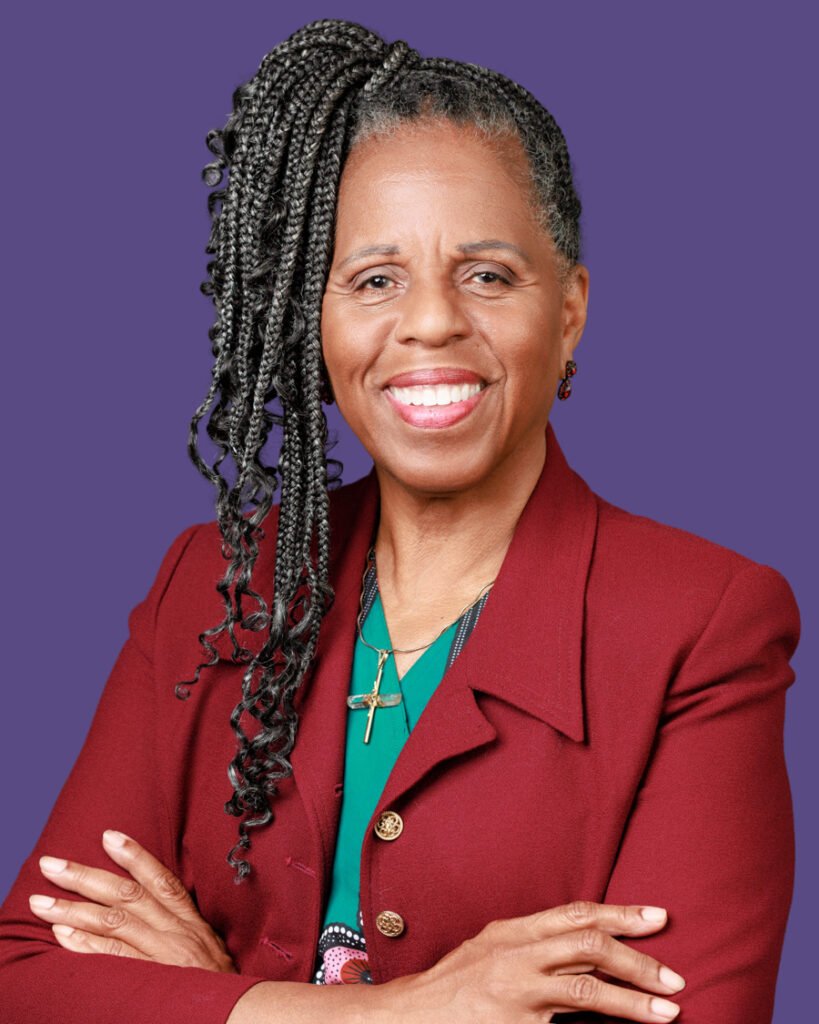
Rev. Dr. Cheryl F. Dudley is an ordained American Baptist minister and distinguished executive leader, serving as Regional Executive Minister of the American Baptist Churches of Metropolitan New York from 2015–2026 and now as Interim President of the Berkeley School of Theology. Raised in Phoenix as the daughter of a pioneering African American missionary and a compassionate nurse, she developed early commitments to justice, hospitality, and service.
She holds degrees from Pomona College, Princeton Theological Seminary, and McCormick Theological Seminary. Dr. Dudley has led major pastoral, academic, global, and philanthropic initiatives, including roles with Church World Service, the Arcus Foundation, Bradley University, and Peoria Friendship House. Her leadership extends across numerous denominational and ecumenical boards, including presidencies of the Council of Churches of the City of New York and the ABCUSA Regional Ministers Council. She is known for her focus on equity, creative problem‑solving, and faithful innovation in a rapidly changing religious landscape.
As Interim president, Dr. Dudley will provide steady, strategic leadership. She will guide the school through organizational change, maintain continuity in mission and academic excellence, and ensure that faculty, staff, students, and trustees remain aligned and supported. Her role will include stabilizing finances, strengthening governance, and preparing the institution for its next long‑term leader.
Dr. Dudley will also serve as a pastoral and relational anchor, offering clarity, reassurance, and vision when uncertainty is high. By combining executive skill, theological insight, and collaborative leadership, she will help the seminary navigate change with integrity while laying the groundwork for future growth and renewed purpose.
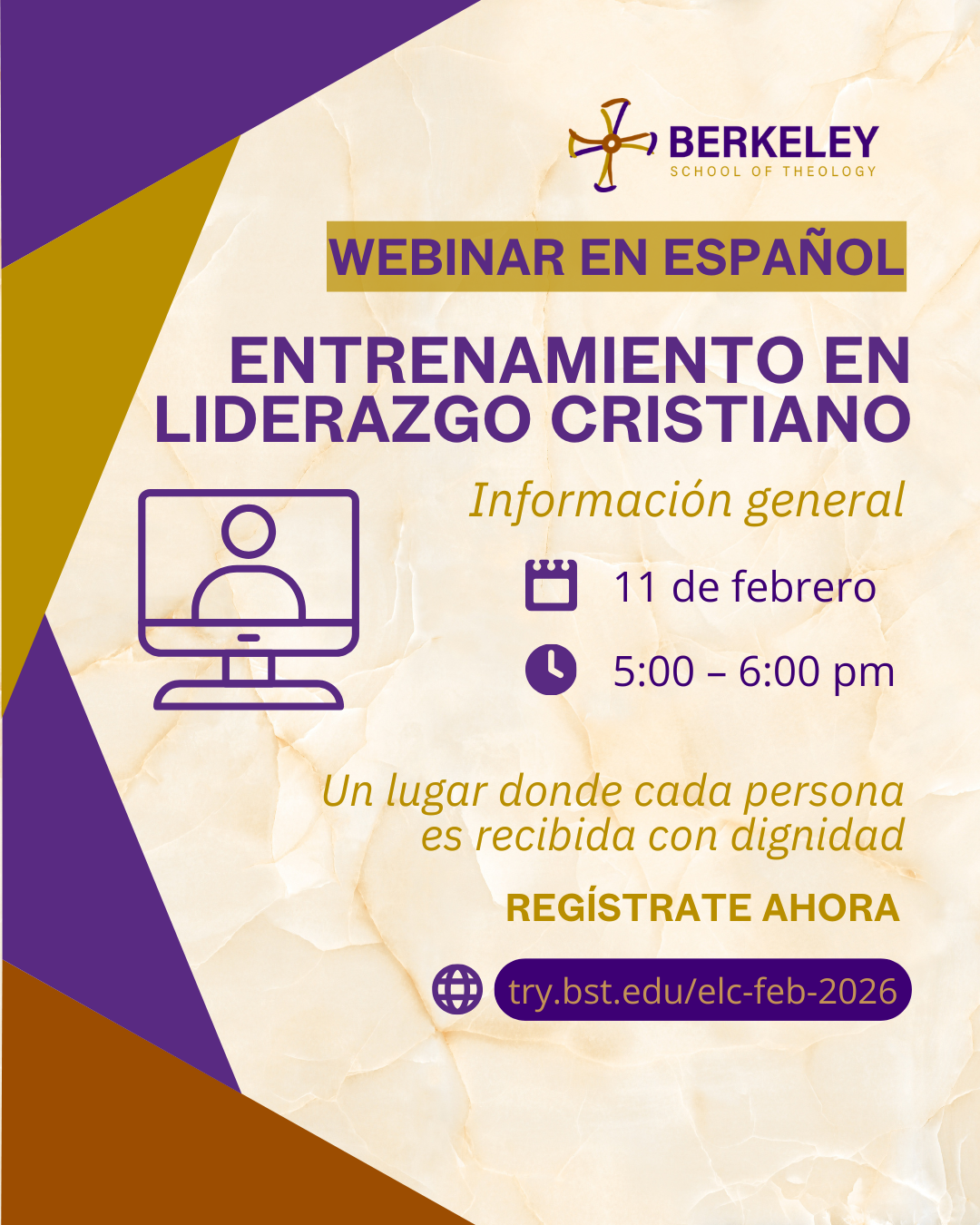
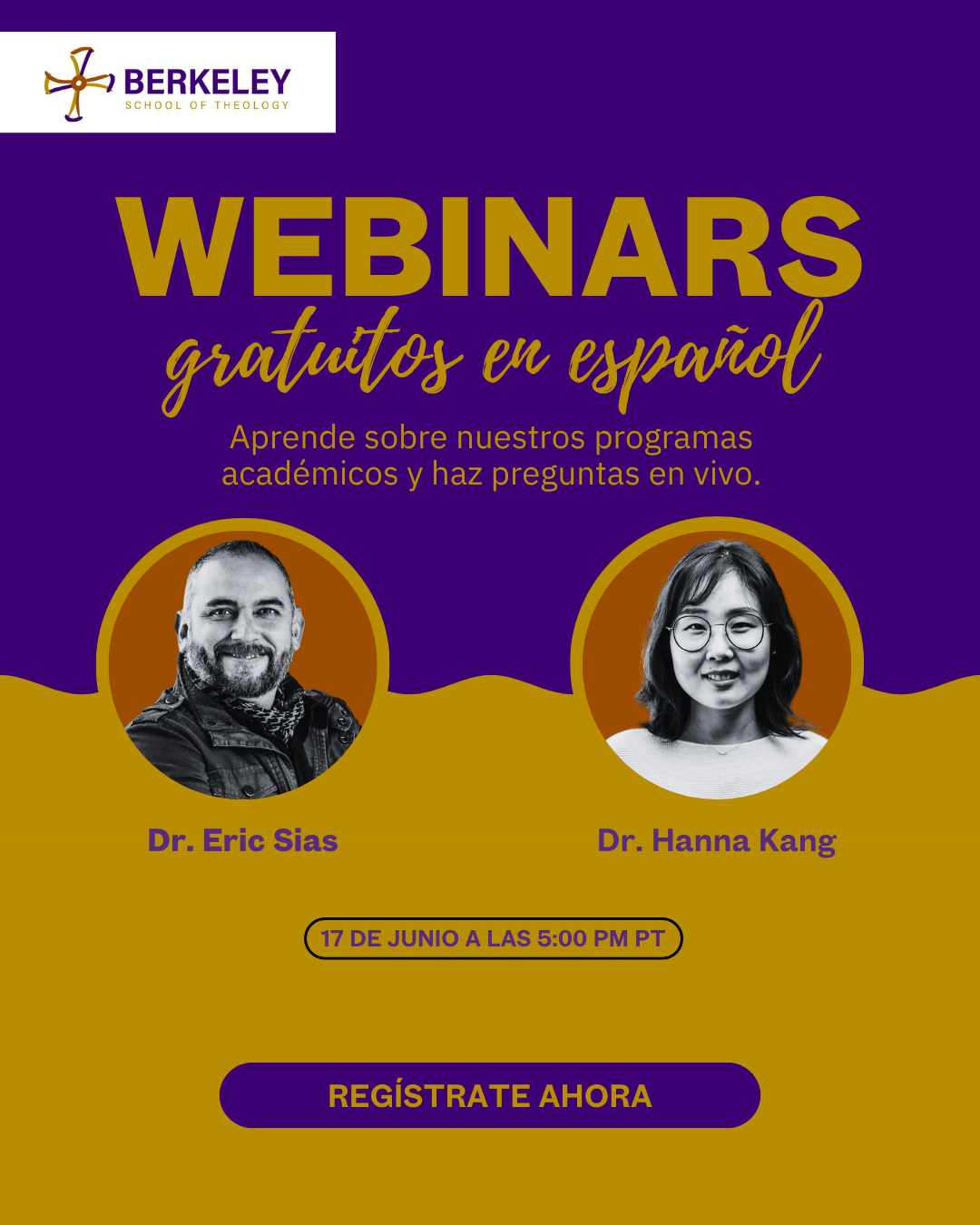
Fill out the form below to register for Discover BST Week. After submission you will recieve an email with the Zoom information for the course you selected. We can’t wait to see you there!


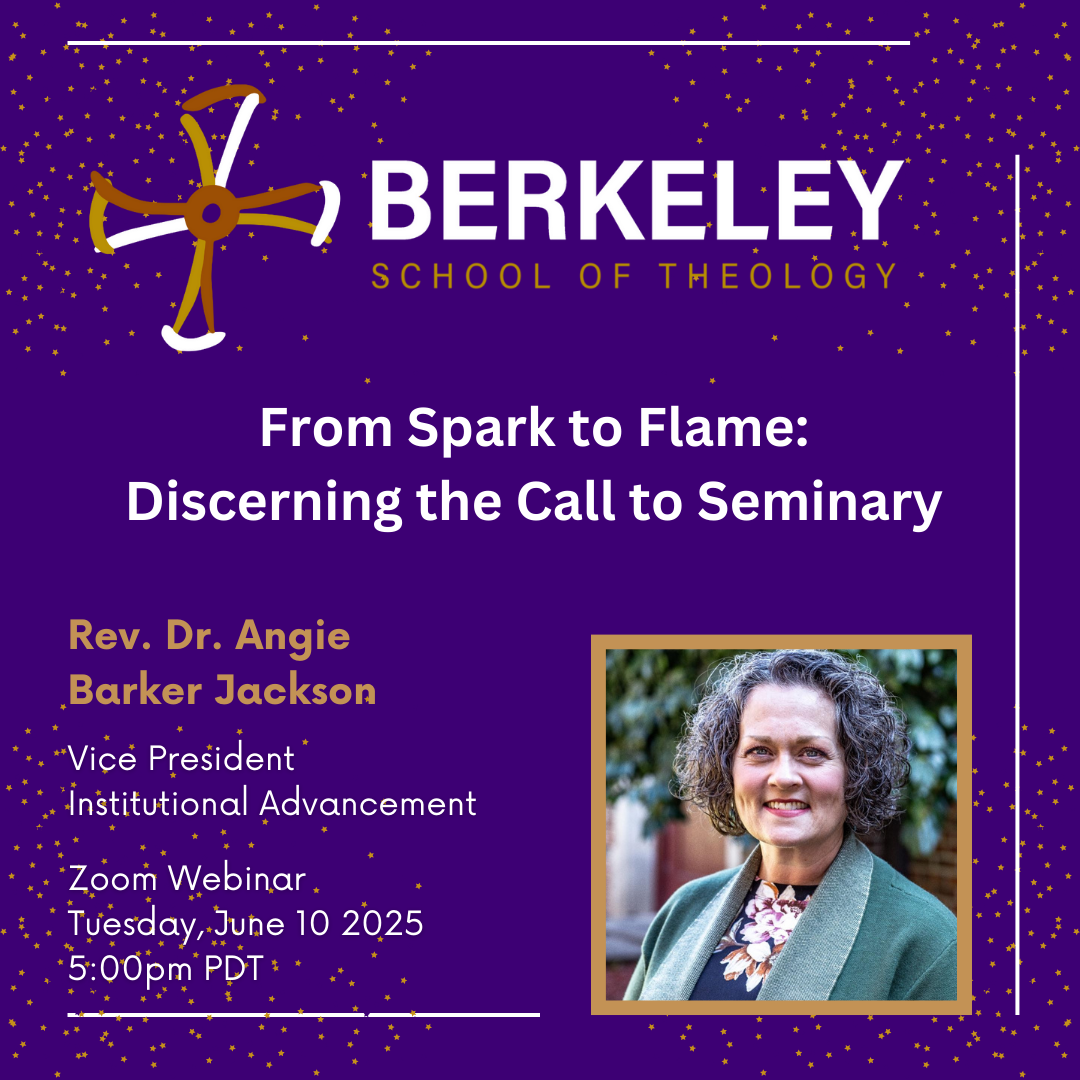
Join us for this informative webinar on spiritual practices for discernment. All attendees will receive the following FREE digital download: Following the Flame of Pentecost, a 4-week reflective journey through scripture and spiritual practices.