Dr. Jennifer W. Davidson has over twenty years of experience in higher education as both a professor and academic dean. She taught at Berkeley School of Theology (BST) for fifteen years as Professor of Theology and Worship (2007–2022) before serving as Dean and Vice President for Academic Affairs at the Graduate Theological Union (2022–2024). Dr. Davidson has returned to BST in a new appointment as Professor of Transformative Learning & Assessment, where she leads BST’s participation in the Transformative Learning Collaborative — an initiative to develop accessible, digitally enabled, and community-centered pathways for leadership formation and theological education, supported by a major grant from Lilly Endowment, Inc. to Pacific School of Religion in collaboration with BST and three partner seminaries.
Dr. Davidson brings deep expertise in curriculum design, assessment, and online teaching and learning, and is committed to building learning experiences that are academically rigorous, inspirational, and engaging. She is the author of the award-winning River of Life, Feast of Grace: Baptism, Communion, and Discipleship (Judson Press, 2019) and has published numerous articles and book chapters on pedagogy, prayer, spirituality, and worship.
Beyond the classroom, Dr. Davidson is a certified coach and member of the International Coaching Federation (ICF), working with individuals in professional and personal development and volunteering with the San Francisco ICF chapter. She is an avid backyard birder and enthusiastic reader across many genres, including historical fiction, spirituality, mysteries, true crime, memoirs, and history.
My philosophy of teaching is deeply informed by the works of Paolo Freire and bell hooks, especially as developed in Freire’s Pedagogy of the Oppressed and hooks’s Teaching to Transgress. Both thinkers reject the “banking” model of education – in which knowledge is deposited into passive students – in favor of a dialogical, liberatory practice that honors the full humanity of learners, and positions education as a means of critical consciousness and transformation. I also employ a contemplative pedagogy in the classroom. Drawing on an article by Britt Rhodes of Luther College (Rhodes, 2019), contemplative pedagogy moves beyond content delivery to cultivate deep learning through reflective practices that invite students inward – building attention, self-awareness, and genuine connection to both the material and one another. Finally, my own scholarship on trauma-informed andragogy – grounded in safety, trust, choice, collaboration, and empowerment – recognizes how pervasively trauma shapes both students and educators and informs how I design courses and facilitate class sessions to create consistent, empowering learning experiences.
Beyond these theoretical commitments, here is what this looks like in practice – offered not as a list, but as a rhythm:
Begin with prayer. Remain centered on the learner. Cultivate a community that values curiosity, loves learning, loves God, and supports one another. Seek the edges of what we know. Be willing to revise what we used to know. Make it possible to say we don’t know. Make it practical and do-able. Invite learners to be intentional co-creators of the classroom experience. Incorporate art through images, music, poetry, and film. Allow moments of silence as things sink in and begin to take root. Help learners cultivate attention and presence in their own lives, with what and how they are learning, to the presence of the Holy Spirit, to the transformative potential in what they are reading and writing, to one another’s humanity, to moments of surprise and delight. Practice deep learning. Remain centered on the learner. End with prayer.
Fill out the form below to register for Discover BST Week. After submission you will recieve an email with the Zoom information for the course you selected. We can’t wait to see you there!
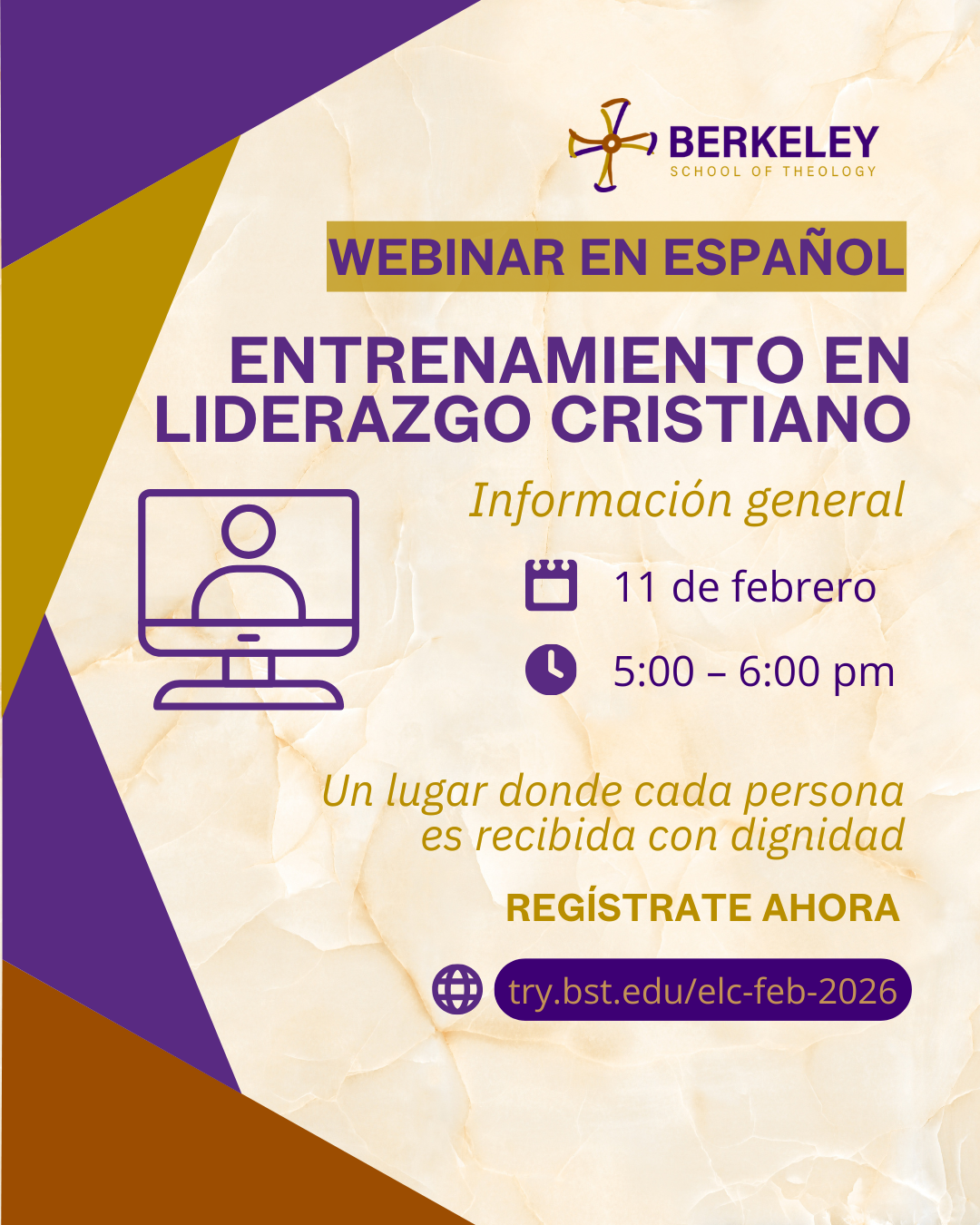


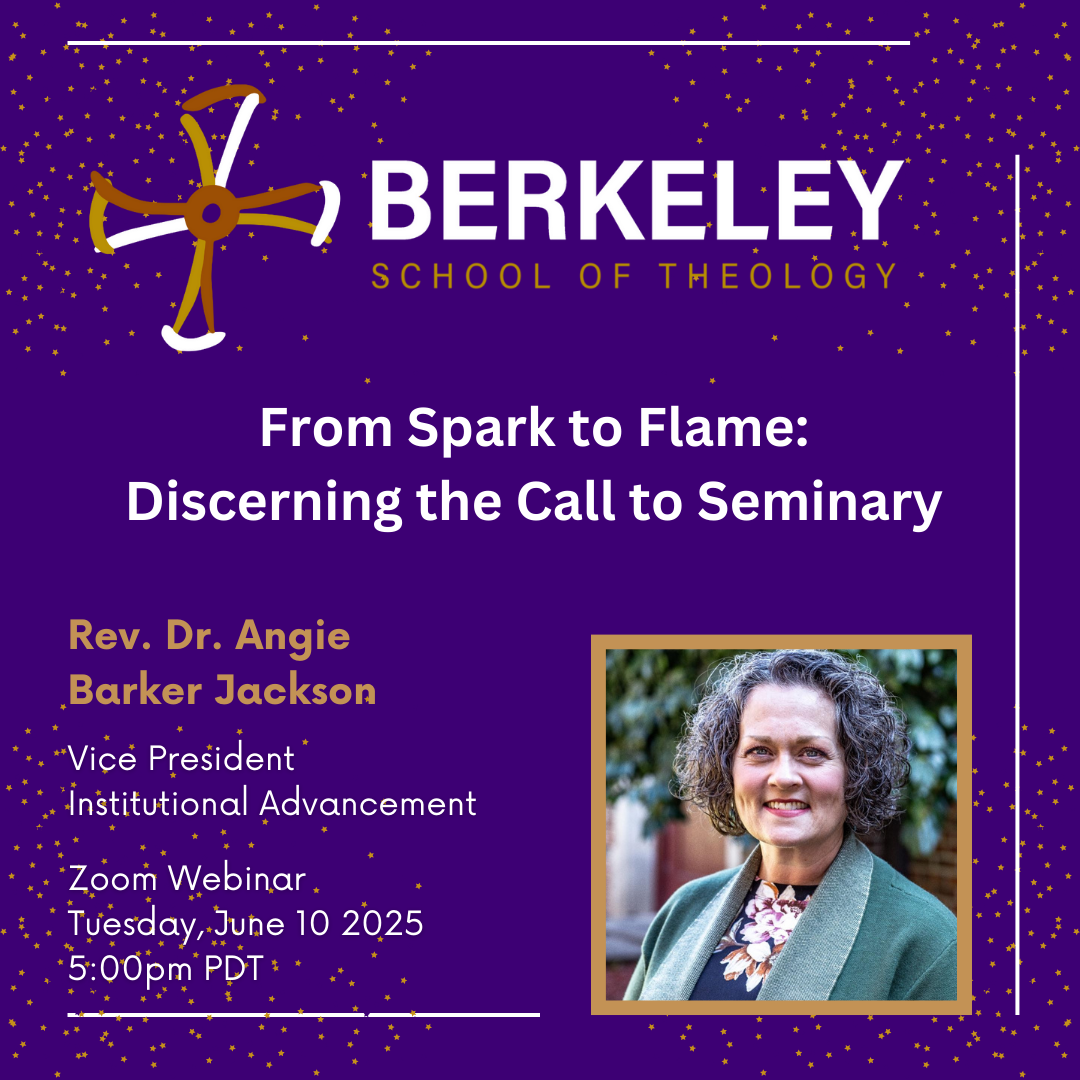
Join us for this informative webinar on spiritual practices for discernment. All attendees will receive the following FREE digital download: Following the Flame of Pentecost, a 4-week reflective journey through scripture and spiritual practices.